Simple Tips for Preventing Waste in Your Household
Preventing waste at home is more than a passing trend--it's an essential step towards a sustainable, environmentally friendly lifestyle. Household waste not only fills up landfills but also contributes to resource depletion and climate change. Fortunately, adopting eco-conscious habits and making small, practical changes in your daily routine can significantly reduce household waste. In this comprehensive guide, you'll find easy and effective ways to minimize waste in your home, including zero waste tips, recycling strategies, and methods for reusing everyday items.
Why Is It Important to Prevent Waste at Home?
Each day, households around the globe generate tons of waste, from food scraps to plastics and textiles. Much of this waste ends up in landfills or the ocean, harming ecosystems and increasing greenhouse gas emissions. Cutting down household waste helps protect the environment, saves you money, and promotes a healthier living space.
- Environmental impact: Reducing waste conserves natural resources and minimizes pollution.
- Financial savings: Less waste means buying fewer items and saving money in the long run.
- Community benefit: Clean, waste-free communities are healthier, safer, and more attractive.

1. Embrace the Three Rs: Reduce, Reuse, Recycle
The classic mantra for preventing household waste is as relevant as ever: Reduce, Reuse, Recycle. Let's break down each step:
Reduce
- Buy only what you need: Plan meals, make shopping lists, and avoid impulse purchases.
- Opt for less packaging: Choose products with minimal or recyclable packaging.
- Go paperless: Use digital receipts and minimize unnecessary paper usage at home.
Reuse
- Use reusable bags, containers, and bottles: Reduce single-use plastics.
- Repurpose jars and containers: Store bulk foods, leftovers, or craft supplies.
- Donate or sell unwanted items: Give clothes, toys, and appliances a second life.
Recycle
- Separate recyclables properly: Learn about your local recycling rules.
- Compost organic waste: Turn kitchen scraps and yard trimmings into nutrient-rich soil.
- Recycle electronics responsibly: Take old gadgets to authorized e-waste centers.
2. Simple Strategies to Cut Waste in the Kitchen
The kitchen is often the biggest source of household waste. Preventing food and packaging waste is crucial for both the planet and your wallet.
Plan Meals and Shop Smart
- Meal planning: List your weekly meals to buy only the necessary ingredients.
- Inventory before shopping: Check your pantry and fridge to avoid duplicates.
- Buy in bulk: Purchase items like grains, beans, and spices in larger quantities to reduce packaging waste.
Store Food Properly
- Airtight containers: Prevent spoilage by storing perishable goods in sealed containers.
- Label and date: Clearly mark leftovers to use them in time.
- Freeze excess: Save leftovers or fresh produce by freezing before they spoil.
Compost Food Scraps
- Start a compost bin: Collect fruit and vegetable peels, coffee grounds, and eggshells for composting.
- Use the compost: Enrich your garden's soil and reduce landfill waste.
3. Reduce Household Waste in the Bathroom
While many overlook it, the bathroom is another area where waste can accumulate--from plastic packaging to disposable products. Here's how to minimize waste in this space:
Switch to Reusables
- Reusable razors: Replace disposable razors with sturdy, long-lasting ones.
- Cloth towels instead of paper: Opt for washable cloth over paper towels or tissues.
- Menstrual cups or cloth pads: These alternatives can dramatically cut down on single-use sanitary products.
Purchase in Bulk & Choose Eco-Friendly Products
- Bulk soap and shampoo: Reduce bottle waste by buying in larger containers or using refill stations.
- Bar soaps and shampoo bars: Bar versions use less to no packaging and last longer.
- Biodegradable products: Select items that break down more easily and have less environmental impact.
4. Cut Down on Single-Use Products
Single-use products are significant contributors to household waste. Fortunately, there are many alternatives that are both practical and affordable.
Say No to Disposable Plastics
- Reusable shopping bags: Keep sturdy bags handy for groceries and shopping trips.
- Stainless steel or glass straws: Ditch plastic straws for reusable options.
- Beeswax wraps: Use as an alternative to plastic wrap for preserving food.
Invest in Durable Household Goods
- High-quality kitchenware: Buy pots, pans, and utensils that last, reducing the need for frequent replacements.
- Cloth napkins: Replace paper napkins with washable fabric alternatives.
- Rechargeable batteries: Lower hazardous waste by using rechargeable batteries in gadgets and toys.
5. Preventing Waste Through Smart Shopping
Your buying choices have a tremendous impact on household waste levels. Practicing mindful shopping is one of the most effective ways to minimize waste in your household.
- Support local: Shopping at farmers' markets or local stores often means less packaging and fresher produce.
- Choose products with minimal packaging: Select items packed in recyclable, compostable, or reusable materials.
- Buy in bulk when possible: This often saves money and reduces packaging.
- Avoid disposable, single-use items: Look for high-quality, reusable options whenever possible.
6. Reuse and Repurpose Everyday Items
Taking a creative approach to household waste prevention can turn potential trash into useful treasures.
- Turn jars into storage or decor: Glass jars can store pantry staples or be turned into candle holders.
- Transform old t-shirts into rags: Save money on cleaning supplies by repurposing faded shirts.
- Upcycle furniture: Give new life to old pieces with a fresh coat of paint or minor repairs.
7. Involve the Whole Family in Waste Reduction
A sustainable household is built on shared responsibility. Engage everyone in your family--from young children to grandparents--in your mission to prevent waste.
Make Waste Prevention Fun and Educational
- Sort recyclables together: Teach kids about recycling rules and have a family 'sorting party' each week.
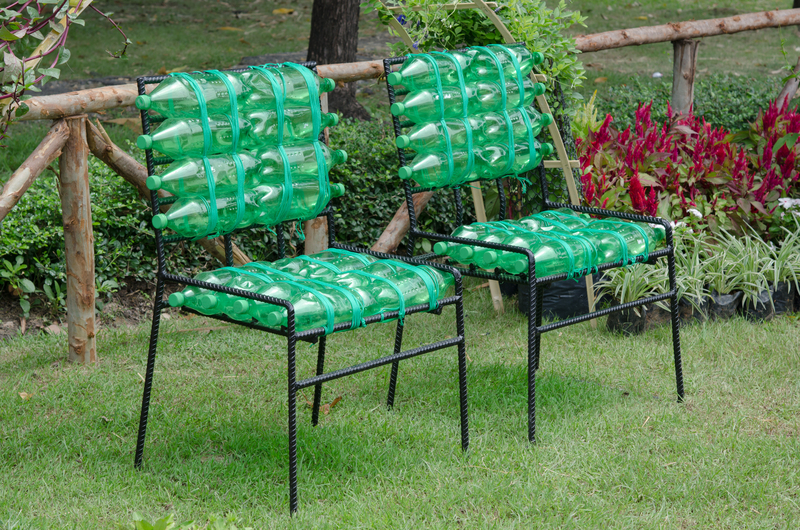
- Organize DIY projects: Use materials from your recycling bin to create art or practical items.
- Host a no-waste challenge: See who can create the least amount of trash in a week.
8. Composting: Nature's Way to Recycle
Composting is one of the easiest and most effective techniques for preventing household waste naturally. By composting kitchen scraps and yard waste, you significantly reduce your trash output and produce valuable compost for gardens or potted plants.
- Start with a small bin: Even apartment dwellers can compost with worm bins or countertop composters.
- Compost what you can: Fruit peels, eggshells, coffee grounds, and even shredded newspaper make great compost ingredients.
- Avoid composting meat or dairy: These items can attract pests and are harder to break down.
9. Responsible Disposal: When You Can't Reuse or Recycle
Despite best efforts, some items simply can't be reused or recycled. Learn to dispose of household waste responsibly:
- Landfill alternatives: Check if there are special drop-off points for hazardous materials, paint, or electronics in your area.
- Community collection events: Participate in local recycling or clean-up events.
- Proper sorting: Don't contaminate recycling by mixing in non-recyclables--learn the rules for your area.
10. Make Your Cleaning Routine More Sustainable
Your daily cleaning habits can play a big role in reducing waste in your household:
- DIY cleaners: Mix vinegar, baking soda, and lemon for effective, non-toxic cleaners in reusable spray bottles.
- Reusable mop heads and dusters: Save money and landfill space by choosing washable over disposable cleaning tools.
- Buy concentrates: Cleaning product concentrates use less packaging and last longer.
11. Minimizing Textile Waste
Clothing, linens, and towels represent a fast-growing waste category. Here's how you can prevent household textile waste:
- Mend and repair: Extend the life of garments with simple repairs or alterations.
- Donate unwanted clothes: Give gently used items to charities or neighbors.
- Recycle fabrics: Some stores and organizations accept textiles for upcycling or rags.
12. Monitor Your Progress and Celebrate Your Successes
Waste prevention is a journey, and every step forward counts. Track your progress using a household waste log or simply by noting when your trash can fills up less often. Share your successes with friends and neighbors to inspire others and build a stronger, more sustainable community.
- Set monthly waste goals: Aim to reduce the amount of trash each month.
- Create a visible tracker: Use charts or graphs on the fridge to motivate the family.
- Reward eco-friendly habits: Celebrate with a special meal, DIY project, or community event when you hit milestones.
Frequently Asked Questions about Preventing Household Waste
- What are the biggest sources of waste in the home?
The main sources are food waste, packaging (especially plastics), paper, and household goods such as clothing and electronics. - How can I start reducing waste with limited time or resources?
Focus on simple swaps--reusable bags, meal planning, and basic recycling. Any step, no matter how small, helps. - Is going zero waste expensive?
Quite the opposite! While some eco-friendly products may cost more initially, reducing waste typically leads to long-term savings.
Conclusion: Every Household Can Prevent Waste
Preventing household waste doesn't have to be complicated or overwhelming. With these simple tips for preventing waste in your household, you can make a big difference--for your family, your wallet, and the planet. Start small, stay consistent, and celebrate your progress. Creating a waste-free home is within your reach, one simple and sustainable habit at a time.
For more inspiration and practical ideas, bookmark this guide and share it with friends and family. Together, we can build a cleaner, greener future--starting right at home!