Elevate your eco-friendly efforts by improving recycling at home
In a world increasingly concerned with sustainability and environmental impact, improving recycling at home is one of the most powerful steps you can take to foster a greener, more responsible lifestyle. By adopting better household recycling habits, you not only help protect natural resources, but you also set a positive example for friends, family, and your community. Whether you're already recycling or just beginning your journey, this comprehensive guide will empower you to elevate your eco-friendly efforts and maximize your household's impact.
Why Focus on Enhancing Home Recycling?
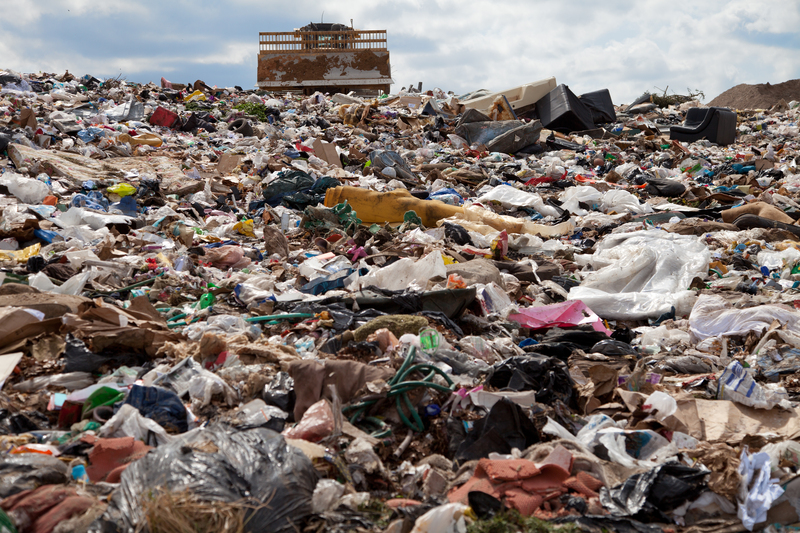
Many people believe that tossing recyclables into a blue bin is enough, but effective recycling at home is more nuanced. Every year, millions of tons of recyclable materials end up in landfills due to contamination, lack of awareness, or improper sorting. With some intentional changes and education, home recycling improvement can divert significant waste from landfills, conserve energy, and reduce greenhouse gas emissions.
- Environmental Protection: Recycling helps reduce the need for raw materials, preserving ecosystems and decreasing pollution.
- Energy Conservation: Recycling often uses less energy than producing new products from scratch.
- Waste Reduction: Less landfill use means fewer toxins leaching into the soil and water.
- Economic Benefits: Recycling programs create jobs and support local economies.
Understanding the Basics: What Can and Cannot Be Recycled?
The Most Commonly Recyclable Materials
- Paper: Office paper, magazines, mail, and cardboard (flattened)
- Plastic: Bottles, containers, and jugs with recycling symbols (check local guidelines)
- Glass: Bottles and jars (labels are typically fine to leave on)
- Metals: Aluminum cans, tin cans, and clean foil
When it comes to improving your home recycling program, knowing your local regulations is key. Always check your municipality's recycling guidelines to differentiate between recyclable and non-recyclable materials.
Items to Keep Out of the Recycling Bin
- Plastic bags and wraps (recycle these at designated drop-offs only)
- Styrofoam and polystyrene containers
- Food-soiled items (e.g., greasy pizza boxes or used napkins)
- Ceramics, mirrors, and non-container glass
- Hazardous materials like batteries and electronics
*Contamination is a major reason why recyclables are often discarded as trash. Always keep your recyclables clean and dry to elevate your recycling efficiency at home!*
Simple Steps to Elevate Your Home Recycling Habits
1. Set Up an Easy-to-Use Recycling Station
Placement often determines participation. Position your recycling bin in a convenient, visible spot in your kitchen, garage, or even near the front door. Consider color-coding bins for different materials to encourage proper sorting. Label each bin clearly and provide a quick reference guide for your household.
2. Rinse and Dry Before Recycling
Rinsing containers like bottles, jars, and cans removes food residue, reducing contamination and unpleasant odors. Let them dry before tossing them in the bin to avoid mold and bacteria growth.
3. Flatten, Crush, or Disassemble Items When Possible
Breaking down cardboard boxes or crushing cans saves space in your recycling bin and makes collection and sorting more efficient for waste management facilities.
4. Stay Updated on Local Recycling Rules
Municipal recycling guidelines can change. Follow your city or town's social media channels, newsletters, or websites for the latest news on what can and cannot be recycled. This keeps your efforts environmentally effective and compliant.
5. Involve the Whole Family
Make recycling a fun and educational household activity. Assign roles such as the "Recycling Champion" to younger members to keep everyone engaged. Discuss the reasons behind recycling and reward ongoing commitment with eco-friendly prizes or privileges.
6. Repurpose and Reuse to Reduce Waste
Before recycling, consider reusing or repurposing items. Glass jars can become storage containers; cardboard can become crafts or pet toys. This approach further elevates your eco-friendly habits, cutting waste before it even reaches the recycling bin.
Advanced Strategies to Boost Your Eco-Friendly Recycling Efforts
Composting to Reduce Organic Waste
Food scraps and yard clippings typically make up 20-30% of household waste. Introducing composting alongside your improved recycling system diverts even more material from landfills and returns nutrients to the soil. Start with a small indoor bin or a backyard compost pile, and include items like fruit peels, coffee grounds, eggshells, and grass clippings.
Upcycling for Creativity and Functionality
Upcycling is the process of turning discarded objects into valuable items. For example:
- Transforming old t-shirts into cleaning rags
- Making planters out of plastic bottles
- Reusing glass jars as candle holders
This not only reduces waste but also helps you personalize your home in unique, eco-conscious ways.
Reduce Before You Recycle
The best waste is no waste! Choose products with minimal or recyclable packaging, buy in bulk to cut down on single-use containers, and always carry reusable bags, bottles, and containers. Waste reduction complements improved recycling to maximize environmental benefits.
Safely Dispose of Special Materials
Some items require special handling:
- Batteries and Electronics: Check for local e-waste collection events or retailer take-back programs.
- Paint, Chemicals, and Lightbulbs: Contact your community hazardous waste facility to ensure safe disposal.
- Clothing and Textiles: Donate wearable items and look for textile recycling drop-offs for unwearable materials.
Common Recycling Myths Debunked
It's time to clear up some misconceptions that can derail your eco-friendly household recycling efforts:
- Myth: "Everything with a recycling symbol can go in the bin."
Truth: The symbol only indicates potential recyclability--always follow local guidelines. - Myth: "If I'm not sure, I should recycle it anyway."
Truth: Wishful recycling (or "wish-cycling") contaminates batches and often causes more harm than good. - Myth: "Glass and plastic don't need to be cleaned before recycling."
Truth: Residue can ruin entire loads of recyclables. Always rinse bottles, jars, and containers. - Myth: "Pizza boxes are always recyclable."
Truth: Only if they're free from grease and food residue--otherwise, compost them if possible.
Monitoring and Measuring Your Impact
Quantifying your efforts helps keep motivation high. Why not:
- Track the total amount of waste and recycling your household produces each week
- Set monthly or yearly targets for landfill diversion
- Encourage friendly competitions with neighbors or friends
- Share your journey on social media to inspire others
Celebrate milestones! Even small changes in your household recycling behaviors can lead to significant environmental impacts over time.
Leveraging Technology for At-Home Recycling Success
Several apps and online tools can guide you as you elevate your eco-friendly practices:
- Recycle Coach: Provides local recycling information based on your address.
- iRecycle: Offers tips and locations for recycling less common items.
- Waste Wizard: Answers "Can I recycle this?" questions quickly and accurately.
Community Engagement: Going Beyond Your Front Door
Improving your home recycling is just the beginning. Multiply your impact by:
- Organizing neighborhood clean-up and recycling events
- Advocating for better local recycling policies
- Starting or joining local "green teams" or eco-committees
- Supporting businesses that utilize recycled materials or offer eco-friendly products
By connecting with others, you can create a network of shared knowledge and positive environmental influence.

The Enduring Benefits of Home Recycling Improvement
- Healthier Environment: Less pollution means cleaner air, water, and soil.
- Resource Conservation: Reusing valuable materials conserves Earth's finite resources.
- Community Pride: Being a leader in sustainability can inspire change and foster community spirit.
- Financial Savings: Waste reduction often means less spending on disposable goods and lower waste management bills.
Conclusion: Start Today, Lead Tomorrow
With a few intentional steps, practical knowledge, and a commitment to ongoing learning, you can elevate your eco-friendly efforts by improving recycling at home. From setting up an effective recycling station and knowing what to recycle, to educating your household and engaging your community, the journey to a sustainable, green future truly begins at your doorstep.
Ready to make an impact? Start with these strategies and see how the ripple effect of positive environmental habits can inspire others--one household at a time. Every action matters, and together, we can create a cleaner, healthier planet for generations to come.