Creative solutions for managing home waste
Creative Solutions for Managing Home Waste: Comprehensive Guide
With the world increasingly focusing on sustainability and eco-friendly living, finding efficient and creative solutions for managing home waste is more crucial than ever. Household waste not only burdens the environment but also takes up valuable space in our homes. Thankfully, homeowners today have a multitude of smart, inventive, and practical ways to deal with waste more responsibly. In this detailed guide, we unveil creative methods and actionable tips for managing household waste while minimizing your impact on the environment.
Understanding Home Waste and Its Environmental Impact
Before diving into creative waste management solutions, it's important to understand the nature of home waste. Home waste--also known as domestic waste or household garbage--comprises everything from kitchen scraps and packaging to old electronics and broken furniture. According to environmental studies, a significant portion of this waste ends up in landfills, contributing to greenhouse gas emissions and pollution.
- Organic waste: food scraps, coffee grounds, eggshells, yard trimmings
- Recyclable waste: paper, cardboard, plastics, metals, glass
- Non-recyclables and hazardous materials: batteries, chemicals, some plastics
Effective home waste management starts with recognizing the different types and seeking innovative strategies to reduce, reuse, and recycle wherever possible.
Creative Waste Reduction Techniques
1. Embrace the Art of Upcycling
Upcycling involves transforming your old, discarded materials into valuable new products. Unlike recycling, which breaks down materials, upcycling preserves the original material and creatively repurposes it.
- Turn glass jars into vases, pen holders, or storage containers.
- Repurpose wooden pallets into furniture, garden planters, or wall decor.
- Convert old t-shirts into cleaning cloths, tote bags, or braided rugs.
Upcycling reduces the need for new raw materials and extends the useful life of objects, making it a fun and eco-friendly home waste management strategy.
2. Smart Composting Solutions
Composting is one of the most effective ways to manage organic home waste and create nutrient-rich soil for your garden. For urban dwellers or those without much outdoor space, numerous innovative composting techniques are available:
- Vermicomposting: Use worms to break down kitchen scraps in a bin. It's odorless and produces high-quality, natural fertilizer.
- Bokashi composting: An anaerobic process using a special bran to ferment food scraps, including meats and dairy, right in your kitchen.
- Community composting: Join local programs that collect organic waste for communal compost production.
Creative composting not only diverts food waste from landfills but also enhances your home gardening efforts.
3. Minimalist Shopping and Packaging Choices
Reducing waste starts at the source. Consider the following tips for minimizing home waste through smart shopping:
- Buy in bulk and use reusable containers to eliminate excessive packaging.
- Choose products with biodegradable or recyclable packaging.
- Frequent local farmers' markets for fresh produce without plastic wraps.
Adopting a minimalist mindset encourages less consumption and less waste, leading to a tidier, more sustainable home.
Advanced Recycling Tactics at Home
1. Setting Up an Organized Recycling Station
The secret to efficient recycling lies in organization. Dedicate space in your home for a well-labeled sorting station with bins for:
- Plastic (separated by types if possible)
- Paper and cardboard
- Glass and metals
- Hazardous materials (batteries, e-waste)
Make recycling a family activity--teach children about sorting and the importance of reducing contamination in recycling streams.
2. Utilizing Technology for Waste Management
Modern creative home waste solutions leverage technology for better tracking, sorting, and reducing waste. Consider these innovations:
- Smart bins: Trash cans that automatically sort recyclables, compact waste, or notify you when they're full.
- Recycling apps: Tools that tell you how to dispose of tricky items and alert you to local recycling programs.
- E-waste kiosks: Automated stations for responsibly disposing of electronics and batteries.
Embracing smart solutions can significantly increase the effectiveness of your home's waste management system.
Innovative Reuse Ideas For Everyday Items
1. DIY Household Projects
Managing home waste creatively often involves transforming "trash" into treasures:
- Use old newspaper as cleaning rags, drawer liners, or for gift wrapping.
- Transform tin cans into lanterns or planters for your windowsill garden.
- Stack cardboard boxes artistically to create play forts or creative storage solutions.
Unleash your family's creativity to reimagine unused items, turning landfill-bound waste into practical household goods.
2. Food Waste Innovations
According to the EPA, up to 40% of food in the US is wasted, which is a huge opportunity for creative home waste management:
- Regrow vegetables like green onions, lettuce, or potatoes from kitchen scraps.
- Create homemade vegetable stocks from peels, stalks, and trimmings.
- Dehydrate or pickle surplus produce before it spoils.
Waste less, save more, and savor new flavors in the process!
Community-Based Solutions for Household Waste
1. Swap, Share, and Donate Unwanted Items
The phrase "one person's trash is another's treasure" rings especially true when it comes to sustainable home waste management. Get involved in local initiatives:
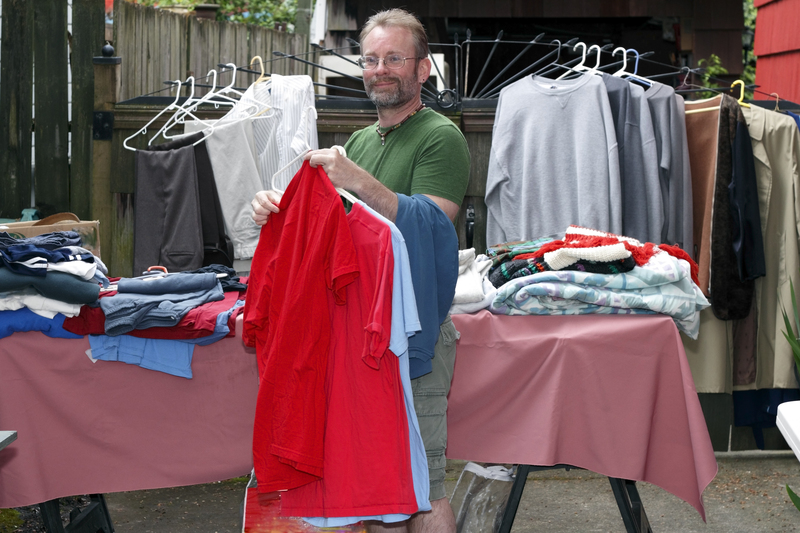
- Host or join swap events for books, clothes, and household items.
- Donate usable goods to charitable organizations, shelters, or schools.
- Share tools, appliances, or equipment with neighbors instead of buying new.
Building a culture of sharing and generosity can dramatically reduce household waste and foster community connections.
2. Participate in Repair Cafes and Fix-It Workshops
Before tossing broken gadgets or clothes, seek out repair cafes--community events where volunteers and experts help fix items for free or at a minimal cost. Learning basic repair skills empowers households to keep possessions longer, cut down on waste, and save money.
- Fix torn clothing, faulty electronics, bicycles, or small furniture.
- Learn from skilled volunteers and teach others in your community.
Creative Solutions for Special Waste Streams
1. Tackling E-Waste at Home
Electronic waste is one of the world's fastest-growing waste streams. Improper disposal of electronics can release toxins into the environment. Try these innovative practices for managing e-waste safely:
- Donate or resell functioning gadgets and appliances.
- Utilize manufacturer or retailer take-back programs for phones, computers, or batteries.
- Upcycle old electronics--turn computer parts into art, clocks, or tech-themed furniture.
2. Managing Hazardous Household Waste
Items such as paint, chemicals, pesticides, and certain cleaning products require special handling. Follow these strategies:
- Use up products completely before discarding the container.
- Take hazardous waste to certified drop-off locations or community collection days.
- Opt for non-toxic and eco-friendly cleaning alternatives whenever possible.
Proper management of these items protects your family and the environment from potential harm.
Eco-Friendly Habits for Sustainable Home Waste Management
1. Practice the Five Rs
The traditional "reduce, reuse, recycle" model has evolved. For a more holistic approach, remember the Five Rs:
- Refuse items you don't need (say no to single-use plastics and freebies).
- Reduce what you consume.
- Reuse as much as possible.
- Recycle properly and responsibly.
- Rot your organic waste through composting.
Embracing the Five Rs as part of your daily routine can help minimize the production of home waste at every stage.
2. Educate and Involve Your Family
Building a zero-waste home requires participation from every household member. Encourage creative thinking and eco-friendly decision-making in all aspects of daily life:
- Hold family challenges to see who can generate the least waste.
- Read books or watch documentaries on environmental impact and sustainability.
- Make waste reduction fun by turning it into a rewarding game or competition.
The Benefits of Creative Home Waste Management
- Environmental Protection: Reduces the strain on landfills, cuts greenhouse gas emissions, and conserves natural resources.
- Cost Savings: Less garbage means lower disposal fees, and upcycling or repairing goods reduces spending on new items.
- Improved Health: Cleaner living spaces and reduced exposure to toxins.
- Community Wellness: Fosters connections and collective responsibility for sustainability.
- Education and Empowerment: Empowers individuals and families to make responsible choices.
Conclusion: Building a Creative and Sustainable Waste-Free Home
Creative solutions for managing home waste go far beyond basic recycling. With a little imagination and initiative, every household can significantly reduce its environmental footprint. Whether it's through upcycling old materials, composting food scraps, repairing instead of discarding, or leveraging technology, the options are both exciting and endless.
Start today: try just one new idea from this comprehensive guide and invite your friends or family to join in. Small efforts, multiplied across many homes, make a powerful difference in building a cleaner, greener planet for future generations.
Remember--every creative step toward smarter home waste management is a step toward a more sustainable future!